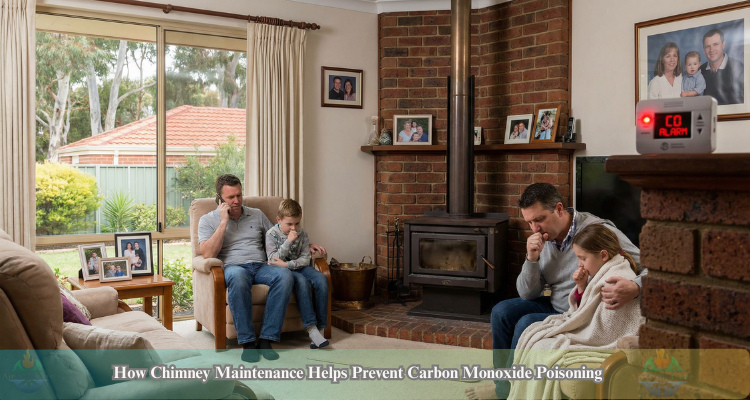
Chimneys are often forgotten when it comes to home maintenance, yet they are essential for keeping your home safe, warm, and healthy. In Perth, where fireplaces are used during cooler months, chimney care is not just about removing soot or ash—it’s about protecting your family from serious health risks like carbon monoxide poisoning.
Carbon monoxide is a gas you cannot see or smell. It forms when wood, gas, or coal do not burn completely.
Without proper ventilation, it can build up indoors, causing serious health problems or even becoming fatal. Many homeowners don’t realise that regular chimney maintenance can significantly reduce the risk of exposure while also improving heating efficiency and indoor air quality.
A well-maintained chimney ensures that smoke, gases, and harmful by-products are safely vented outside. Regular cleaning and inspections not only keep your fireplace working properly but also prevent dangerous blockages, creosote buildup, and structural issues that could allow carbon monoxide to enter your home.
In this guide, we’ll explain why chimney maintenance is so important for Perth homes, what can happen if it’s neglected, and share practical tips to help keep your chimney—and your family—safe.
What Is Carbon Monoxide and Why Is It Dangerous
Understanding Carbon Monoxide
Carbon monoxide is a toxic gas that cannot be seen, smelled, or tasted. It is generated when fuels such as wood, gas, or coal do not burn completely. Poor ventilation or blocked chimneys can allow CO to build up indoors, putting everyone in your home at risk.
Why CO Is Harmful
Even low levels of carbon monoxide exposure can lead to dizziness, headaches, nausea, and fatigue. In severe cases, prolonged exposure can cause unconsciousness, brain damage, or death. This makes preventive chimney maintenance not just advisable, but essential for home safety.
How Chimneys Protect Your Home
Chimney Ventilation
A chimney’s main function is to provide a safe exit for smoke, carbon monoxide, and other gases from your fireplace. Proper ventilation ensures that harmful substances do not linger in your living areas.
Improving Indoor Air Quality
Regularly maintained chimneys promote healthy airflow, removing pollutants and particulates that could otherwise compromise indoor air quality. In Perth homes, this is especially important during cooler months when fireplaces are in frequent use.
How Poor Chimney Maintenance Increases Carbon Monoxide Risks
1. Blocked Chimney
Debris such as leaves, bird nests, and dust can obstruct airflow. A blocked chimney prevents smoke and toxic gases from escaping, allowing carbon monoxide to accumulate indoors.
2. Creosote Buildup
Creosote is a sticky residue formed when wood is burned. Over time, it builds up inside the chimney, narrowing the flue, reducing ventilation, and increasing the risk of CO entering your home.
3. Damaged Flue or Liner
Cracks or deterioration in the flue liner can allow harmful gases to leak back into your home. Even minor damage can create serious risks if not detected and repaired promptly.
4. Poor Airflow
A chimney that isn’t drawing air correctly can allow gases to linger indoors. Proper maintenance ensures efficient airflow, minimizing carbon monoxide and smoke hazards.
Warning Signs Your Chimney Could Be Unsafe
1. Smoke Backflow
If smoke enters your home instead of exiting through the chimney, this indicates a blockage or airflow problem.
2. Strange Odours
Musty, chemical, or smoky odours can suggest trapped gases, soot accumulation, or structural issues.
3. Soot and Debris
Excessive soot around your fireplace or visible in the flue is a clear sign that airflow is restricted, which can increase carbon monoxide risk.
4. Health Symptoms
Persistent headaches, dizziness, nausea, or fatigue when using your fireplace could be indicators of carbon monoxide exposure. Immediate professional inspection is essential.
Essential Chimney Maintenance Tips
1. Schedule Regular Chimney Cleaning
Professional cleaning removes soot, ash, and creosote buildup. For Perth homes, an annual deep clean before winter ensures your chimney works efficiently and safely.
2. Book Annual Inspections
Certified inspections detect structural cracks, flue damage, and blockages. Early detection prevents carbon monoxide buildup and reduces repair costs.
3. Install a Chimney Cap
A chimney cap prevents animals, leaves, and rain from entering your chimney. This helps maintain proper airflow and reduces blockages that could allow gases indoors.
4. Check the Flue Liner
Inspect the flue liner for damage or deterioration. An intact liner ensures smoke and harmful gases are safely vented outside.
5. Burn Seasoned Wood
Using dry, seasoned wood reduces creosote accumulation, smoke, and chemical residues. Avoid wet or treated wood, as it can cause heavy buildup and increase CO risk.
Professional Chimney Maintenance vs DIY
DIY Maintenance
Homeowners can remove visible ash and debris, check for obvious blockages, and monitor airflow. However, DIY cleaning cannot remove deep creosote or detect hidden structural damage.
Professional Services
Professional chimney sweeps provide comprehensive cleaning, safety inspections, and flue assessments. They can identify hidden carbon monoxide hazards and ensure your chimney operates efficiently and safely.
Additional Safety Measures for Perth Homes
Install Carbon Monoxide Detectors
CO detectors alert you to dangerous gas levels, providing early warning before exposure becomes dangerous.
Maintain Proper Ventilation
Ensure your home has adequate airflow, especially when using fireplaces or heaters. Proper ventilation reduces gas accumulation indoors.
Regular Appliance Checks
Check gas heaters, wood fireplaces, and other fuel-burning appliances regularly. Combined with chimney maintenance, this ensures your home remains safe from carbon monoxide.
How Often Should You Maintain Your Chimney?
- Annual Inspection: Minimum once per year for all fireplaces
- Frequent Use: Clean before and after winter for high-usage chimneys
- Occasional Use: Every 1–2 years is recommended
For Perth homes, scheduling maintenance before winter ensures safety and optimal performance throughout the colder months.
Benefits of Regular Chimney Maintenance
- Prevents carbon monoxide poisoning and other toxic gas exposure
- Improves indoor air quality for healthier living
- Enhances heating efficiency and reduces energy bills
- Minimizes fire hazards and prolongs chimney lifespan
- Offers peace of mind knowing your home is safe
Common Mistakes Homeowners Should Avoid
- Ignoring early warning signs like smoke, odours, or soot
- Skipping annual inspections
- Burning wet or treated wood
- Attempting deep cleaning without professional equipment
Avoiding these mistakes ensures your chimney functions efficiently and your family remains safe.
Frequently Asked Question About Chimney Maintenance
1. How does chimney maintenance prevent carbon monoxide poisoning?
Regular cleaning and inspections ensure proper ventilation, removing harmful gases before they enter your home.
2. How often should chimneys be maintained in Perth?
At least once a year, with additional checks before winter if the fireplace is frequently used.
3. Can I clean my chimney myself?
You can remove ash and minor debris, but professional cleaning is necessary for deep creosote removal and safety inspections.
4. What are signs my chimney is unsafe?
Smoke backflow, unusual odours, excessive soot, and health symptoms such as headaches or dizziness.
5. Are carbon monoxide detectors necessary?
Yes, they provide early warning of dangerous gas levels and complement proper chimney maintenance.
Conclusion
Taking care of your chimney is a good way to keep your home safe from bad things like carbon monoxide. This helps make the air inside your home cleaner and makes your fireplace work better.
For people who live in Perth and have a fireplace it is an idea to clean and check your chimney a lot. You should also be careful. Take safety measures to make sure everything is okay.
This will help you feel better and know that your home is safe and warm and healthy. You should not wait until something goes wrong with your chimney. It is better to take care of it so your family will be safe.
Chimney maintenance is very important, for the safety of your family. It is good to remember that chimney maintenance helps with this.