
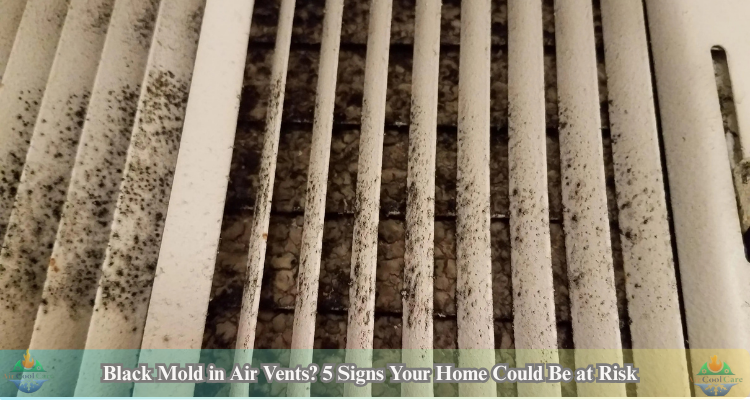
In Perth, where the air by the coast’s humid and the seasons are warm and long, your air conditioning system works really hard to keep your home comfortable. Inside your vents a big problem can grow quietly. Black mold in air vents.
Many people who own homes don’t know there’s a problem until it starts to affect how they feel or the air inside their home. Mold inside your heating and cooling system can spread fast through the air getting into every room in your home.
In this guide you will learn the 5 signs of black mold, in air vents what causes the mold, the risks and how to fix and prevent black mold in air vents effectively.
What Causes Black Mold in Air Vents?
Before identifying the signs, it’s important to understand why mould grows in air vents in the first place.
1. Moisture Buildup in Ducts
Moisture is the main cause of mold growth. In Perth homes, this often happens due to:
- Condensation inside air ducts
- High humidity levels
- Poor insulation around ductwork
When moisture sits inside your ventilation system, it creates the perfect environment for mold spores to grow.
2. Poor Ventilation and Airflow Problems
Blocked or restricted airflow allows damp air to remain trapped inside the system.
Common causes include:
- Dirty air filters
- Blocked vents
- Dust buildup in ductwork
This leads to airflow restriction, which increases humidity and encourages mold growth.
3. Dirty HVAC Systems
A poorly maintained air conditioning system can collect:
- Dust
- Dirt
- Organic debris
These materials act as food for mold, allowing it to grow and spread throughout your ventilation system.
4. Condensation from Air Conditioning Units
Split systems and ducted air conditioning units often produce condensation.
If the condensate drain line is blocked or not cleaned regularly:
- Water builds up
- Mould starts forming inside the system
5 Signs of Black Mold in Air Vents
Here are the most common warning signs that your home may have mold in air vents.
1. Musty Smell Coming from Vents
One of the earliest and most noticeable signs is a persistent musty or damp smell.
What This Means
This smell usually indicates:
- Mould spores are present
- Moisture is trapped inside ducts
- Air is circulating contaminated particles
When You’ll Notice It
- When the AC turns on
- In closed rooms
- During humid weather
If your home smells damp even after cleaning, it could be a sign of HVAC mold contamination.
2. Visible Black or Dark Spots Around Air Vents
If you can see black or greenish spots around your vents, this is a clear warning sign.
Where to Look
- Around vent covers
- Inside ducts (if visible)
- On ceilings near vents
What It Indicates
These spots often mean:
- Active mold growth
- Moisture problems
- Contamination in ductwork
Visible mold is a strong indicator that black mold in HVAC systems has already developed.
3. Increased Allergy or Respiratory Issues
Mold in your ventilation system can affect your health.
Common Symptoms
- Sneezing and coughing
- Eye irritation
- Skin irritation
- Breathing difficulties
Why It Happens
Mold releases spores into the air, which circulate through your home.
This can lead to:
- Poor indoor air quality
- Respiratory irritation
- Worsening asthma or allergies
If symptoms improve when you leave home, your air vents could be the source.
4. Reduced Airflow or Uneven Cooling
Mold buildup can block airflow inside your system.
Signs of Airflow Problems
- Weak airflow from vents
- Some rooms cooler than others
- AC running longer than usual
Causes
- Blocked ducts
- Dirty filters
- Contaminated air pathways
This is often linked to airflow restriction caused by mold and debris.
5. Frequent Condensation or Moisture Around Vents
Excess moisture is both a cause and a sign of mold.
What to Watch For
- Water droplets around vents
- Damp ceiling areas
- Dripping from AC units
Why It Matters
Moisture allows mold to grow rapidly.
If not addressed, it can lead to serious ductwork contamination and structural damage.
Why Black Mold in Air Vents Is Dangerous
Ignoring mold in your HVAC system can lead to serious problems.
Health Risks
- Exposure to mould spores
- Respiratory issues
- Long-term health concerns
Indoor Air Quality Problems
Mold spreads through airflow, affecting every room.
This leads to:
- Contaminated air circulation
- Unhealthy living environment
Structural Damage
Moisture and mold can damage:
Ceilings
Walls
Insulation
How to Remove Mold from Air Vents
If you suspect mold, it’s important to act quickly.
Professional Air Duct Cleaning
The safest and most effective solution is professional cleaning.
What Professionals Do
- Inspect the HVAC system
- Clean ductwork thoroughly
- Remove mold safely
- Improve airflow
This ensures complete removal of mold in ductwork.
Avoid DIY Cleaning for Severe Cases
While small surface cleaning may help, serious mold problems require experts.
DIY attempts can:
- Spread mould spores
- Miss hidden contamination
- Make the problem worse
How to Prevent Black Mold in Air Vents
Prevention is always better than cure.
1. Regular HVAC Maintenance
- Clean filters regularly
- Schedule professional servicing
- Inspect ducts for issues
2. Control Indoor Humidity
- Use dehumidifiers if needed
- Keep humidity levels balanced
- Ensure proper ventilation
3. Clean Air Filters Frequently
Dirty filters trap moisture and dust.
Replace or clean them every:
- 1–3 months (depending on usage)
4. Ensure Proper Drainage
- Keep condensate lines clear
- Check for leaks
- Fix water issues immediately
When Should You Call a Professional?
You should contact an expert if you notice:
- Persistent musty smell
- Visible mold growth
- Health symptoms
- Airflow issues
Professional services in Perth can provide:
- Full system inspection
- Safe mold removal
- Improved air quality
Frequently Asked Questions About Mold in Air Vents
1. How do I know if my air vents have mold?
Look for musty smells, visible spots, and health symptoms.
2. Is black mold in air vents dangerous?
Yes, it can affect respiratory health and indoor air quality.
3. Can I clean mold from vents myself?
Small areas may be cleaned, but serious cases require professionals.
4. How often should air ducts be cleaned?
Every 1–2 years, or sooner if problems appear.
Conclusion
Black mold in air vents is not something to ignore. It can affect your health, reduce system performance, and damage your home over time.
By recognising the warning signs early and taking action, you can:
- Protect your indoor air quality
- Improve airflow and efficiency
- Prevent costly repairs
Regular maintenance and professional cleaning are the best ways to keep your air conditioning system clean, safe, and efficient—especially in Perth’s climate.